DONATE




October 16 - 17, 2021
Baltimore Hilton BWI
Annual Conference 2021
Brain to Bookshelf 2021 Programming
Agent Panels | Jane Friedman Presentations | Saturday Workshops | Sunday Workshops | Hands-On Social Media Session
Click here to download a printable conference schedule.
Note: Workshops may be subject to change due to unforeseen circumstances.
Agent Panels
- Saturday — The First Page: How To Get An Agent’s Attention
- Sunday — Best Foot Forward: Query Letter Feedback
Both panels offer the opportunity to sumbit your work for possible feedback from the panel. Click here for complete details.
Jane Friedman Presentations
- Saturday — Essential Book Marketing Strategies for All Authors
- Sunday — Today’s Key Book Publishing Paths: What’s New, What’s Old, and What’s Right for You?
Click here for complete details
Saturday Workshops
Marketing to Your Audience: Keeping Your Eye on the Ball — Ilona E Holland
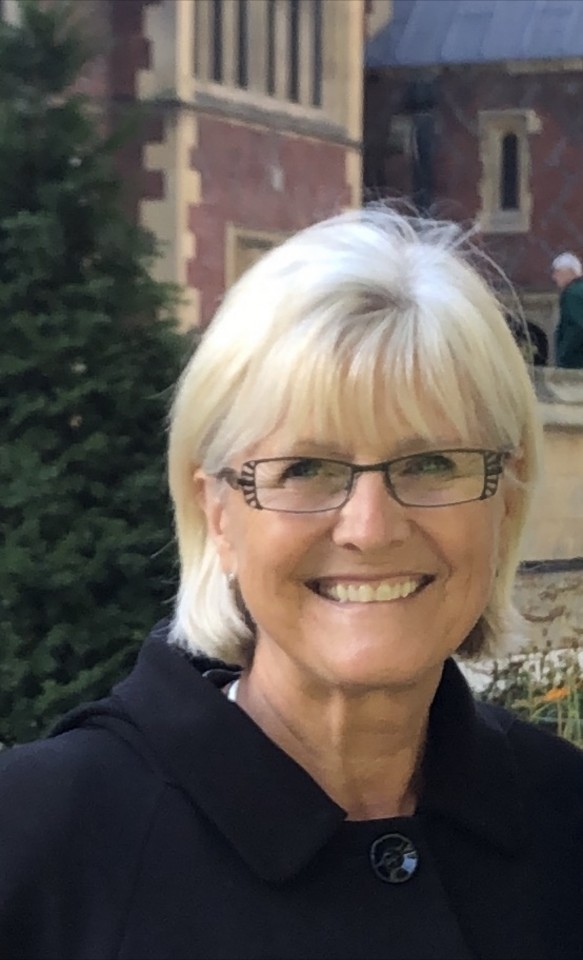
A clear identification of your audience is essential for successful marketing. In this workshop, a variety of approaches to various audiences and marketing goals will be reviewed. Dr. Ilona Holland has worked in the field of audience research for 25 years for clients like WGBH public television, museums, and I-Max movies. She is currently an award-winning children’s book author. She will lead participants in assessing marketing approaches and websites from various audience points of view.
Ilona Holland has spent most of her professional career in audience research. She has been an advisor and evaluator for programs like Martha Speaks and the Emmy Award winning WordGirl, museums, (i.e., the Franklin Institute and the Maryland Science Center), nonprofit organizations, and I-Max movies like Everest. She has taught at Harvard Graduate School of Education, served on numerous advisory boards (including the National Park Trust) and is currently an award-winning children’s book author.
Write Your Nonfiction Book Proposal — Barbara Morrison
 In this workshop, you will discover what it takes to create a successful nonfiction book proposal. Required by most publishers and useful for self-published authors as well, the proposal’s purpose is to show there is a market for your book idea and why you are the person to write it. You will leave with a template for your own nonfiction book proposal and an understanding of how to complete it.
Barbara Morrison, who writes under the name B. Morrison, is the author of a memoir, Innocent: Confessions of a Welfare Mother, and two poetry collections, Terrarium and Here at Least. Her award-winning work has been published in The Sun Magazine, Tiny Lights, Sin Fronteras/Writers without Borders, and elsewhere. She conducts writing workshops and provides editing services. For more information, visit her website and Monday Morning Books blog at http://www.bmorrison.com.
5 Steps to Finding the Right Freelance Editor For You — Katherine Pickett
 You have finished your manuscript and now you need an editor. But with so many people calling themselves editors, how do you know when you have found a good one? What type of editor do you need, and how do you know you have found the right one for your project? Veteran editor Katherine Pickett walks you through the five steps you need to take to ensure you are hiring an editor who will work for you. Includes researching editors and their services and evaluating a sample edit and cost estimate.
Katherine Pickett is the owner of POP Editorial Services LLC and the author of the award-winning book Perfect Bound: How to Navigate the Book Publishing Process Like a Pro, now in its second edition. Through POP she offers copyediting, proofreading, and developmental editing to authors and publishers across the country. Her articles have appeared on Publishing Perspectives, JaneFriedman.com, Writer Beware, IBPA Independent, and elsewhere in print and around the web.
Author Websites From Blah to Boss — Nate Hoffelder
 An author’s website is their online office and storefront, but it doesn’t have to be a stodgy one. In this session, you will learn how, with just a little work, you can rapidly transform your author website from blah to boss. A good website doesn’t have to cost thousands of dollars; your site can be as simple as a single page and still present a professional face to reviewers and help you connect with fans. It all starts with knowing what you want to do, and why.
Nate has been helping people fix broken tech since 2010. He builds and repairs Wordpress sites, and acts as a virtual IT department for authors. He also blogs about the Kindle and indie publishing. His site, The Digital Reader, has been mentioned on news sites such as the New York Times and Forbes. Nate is the president of the Riverside Writers Club in Fredericksburg VA?, and is on the board of the Florida Writers Foundation?
Finding Your Poetic Voice for Non-Poets — Rissa Miller
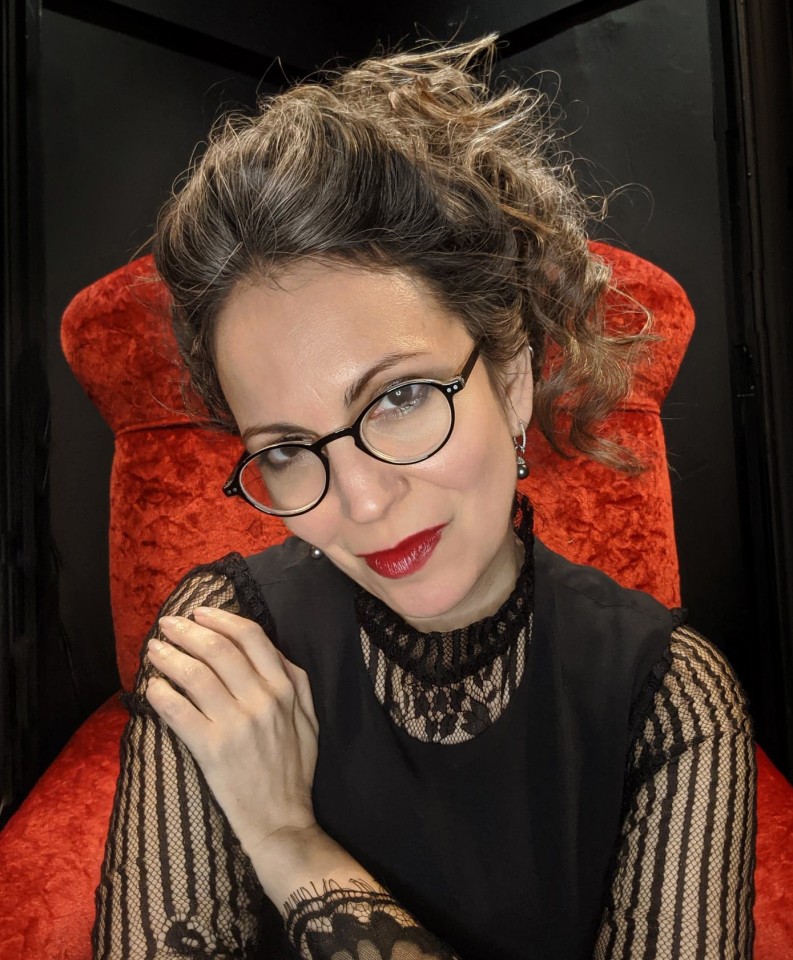 You're a fiction writer? Well, it's time to admit it-every genre benefits from poetic language. Hone the poet within. Through a series of creative exercises, based in both visuals and literature, shape your writer's voice into a poetic form. Anyone can find a new way of seeing, hearing and feeling words by dipping a toe into poetry. This workshop is perfect for all ages, all styles of writers. Find your poet's voice.
Rissa is a working artist living in Maryland. She has published one chapbook, is a magazine editor and is a former MWA chapter Vice president.
Hooking Your Reader: Writing A Killer First Line — Meg Eden
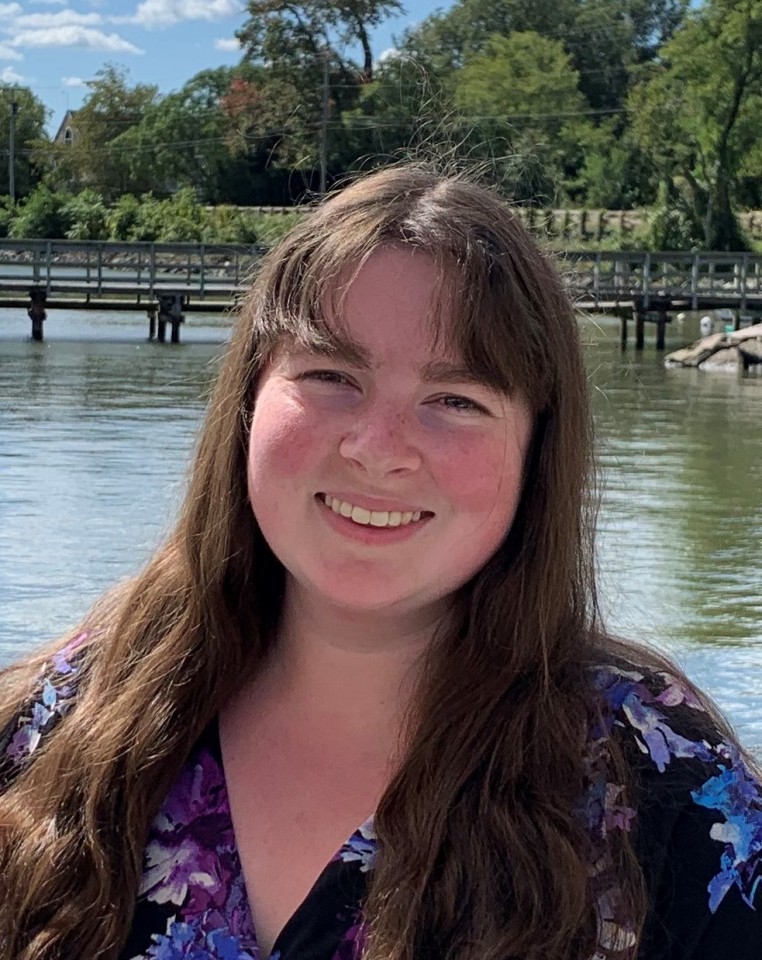 How do we snag our readers and make them want to read more? In this workshop, we’ll look at examples of powerful first lines and discuss strategies for selecting a powerful first line. Feel free to bring the first line of your story or novel for a mini first-line “workshop.”
Meg Eden is a 2020 Pitch Wars mentee, and winner of the 2021 Towson Prize for Literature.She teaches creative writing at Anne Arundel Community College. She is the author of five poetry chapbooks, the novel "Post-High School Reality Quest” (2017), and the poetry collection “Drowning in the Floating World” (2020). Find her online at www.megedenbooks.com or on Twitter at @ConfusedNarwhal.
Craft a Killer Cozy in Three Simple Steps — Andrea J. Johnson
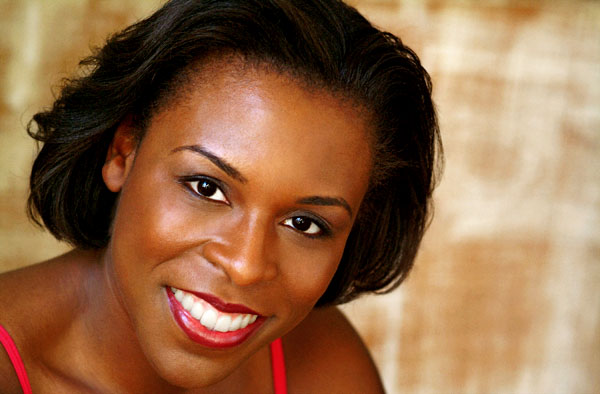 Crafting a mystery series can be fraught with peril, but there are three questions that lie at the heart of the terror: Who are the suspects? What makes them suspects? Who is the sleuth? This session will help writers use those three questions to kick start a killer cozy community that will leave readers dying for more via tips and tricks on mystery plotting, pacing, clue placement, characterization, and hands-on exercise where the participants create a mystery plot from scratch!
Andrea J. Johnson is the author of the Victoria Justice Mysteries. She also holds an M.F.A. in Writing Popular Fiction from Seton Hill University and a copyediting certification from UC San Diego. Her craft essays have appeared on several websites such as CrimeReads, Litreactor, DIY MFA, Submittable, and Funds for Writers. She has also written entertainment articles for the women’s lifestyle websites Popsugar and The List Daily.
How to Write Up to 5K a Day Using Voice Recognition — Leslie G Truex
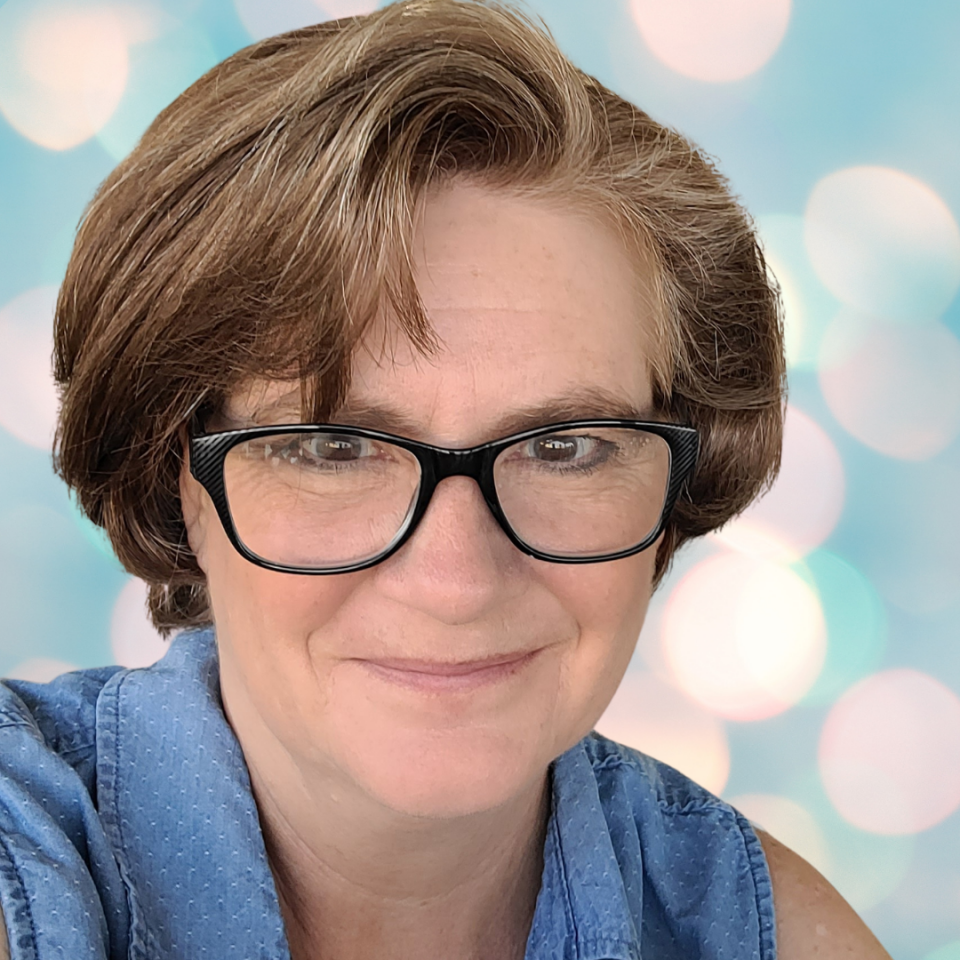 Discover how to write more in less time with voice recognition. Leslie Truex will share how a repetitive strain injury forced her to use voice recognition, and once she mastered it, she wished she’d switched sooner. You’ll learn: • Common reasons writers are resistant to voice recognition • The top reasons to consider voice recognition beyond increased word output • The equipment and tools needed for voice recognition • Top tips for making the transition from typing to speaking your writing
Leslie Truex is the author of The Work-At-Home Success Bible, Digital Writer Success, and Jobs Online. She’s a fiction ghostwriter averaging 1.1 million words a year for her clients. She also has a dozen published mystery and romance books written under her pen name, Jenna Harte. She has spoken at the Virginia Festival of the Book, Malice Domestic, Creatures, Crimes and Creativity, and the Suffolk Mystery Book Festival. She is the president of the Virginia Writers Club.
The Value Of Published Clips — Mary K. Tilghman
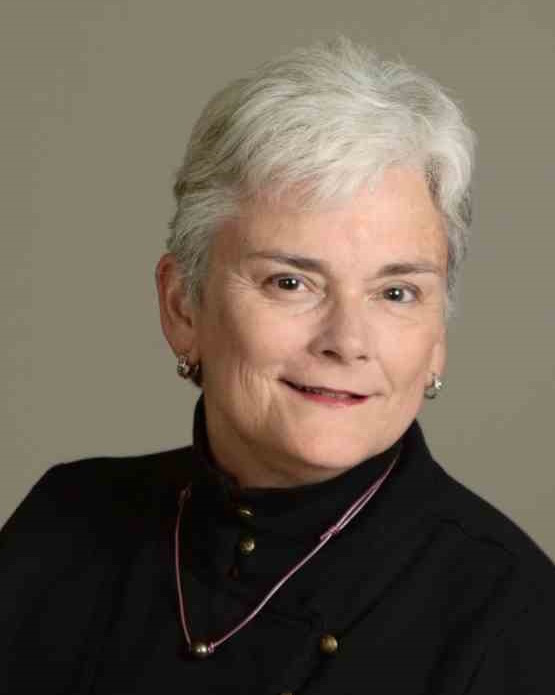 Whether you aim to be a poet, a novelist or a memoirist, it never hurts to take whatever writing assignment you can find. Whether you write for a website, a national magazine or one of those freebies in the library vestibule, you’re not only gathering experience, you’re meeting contacts who may help you later, developing a thicker skin, learning about a topic you might value later, and getting your name out there in the marketplace.
A writer for 40 years, Mary K. Tilghman has been a writer and editor for local newspapers, as well as a freelance writer for a variety of niche publications. She wrote six editions of Frommer’s Maryland and Delaware. Mary also published two Maryland-based historical novels, Divided Loyalties, set during the Civil War in Sharpsburg, and Love Letters & Gingerbread, set in 19th Century Annapolis. Her first sweet romances were published in the past year.
Dig In! Researching and Writing Historical Fiction — Susan Moger & Edward McSweegan
 The presenters are authors of historical novels and award-winning fiction who enjoy researching history to create compelling stories set in another time. They will share their very different approaches to gathering and evaluating facts and integrating those facts in fiction. Their practical advice on deciding what to research, where to find source material, when to stop researching, and how to use facts without overwhelming fiction will also be available as handouts.
Susan Moger's historical novel is Of Better Blood, Albert Whitman 2016. She was an editor at Scholastic, Wiley and FDNY and now teaches at AACC. A MD State Council on the Arts grant funded her novel research. Edward McSweegan is a microbiologist, former newspaper columnist and award-winning fiction writer. Excerpts from his historical fiction have appeared in Hektoen International Journal, Embark, and the N.E. Historical Society. His debut historical novel is under contract at Penmore Publishing.
The Blueprint; Or, Building the Perfect Draft: How a Well-Constructed Outline Helps Craft a Stronger Novel — Harrison Demchick
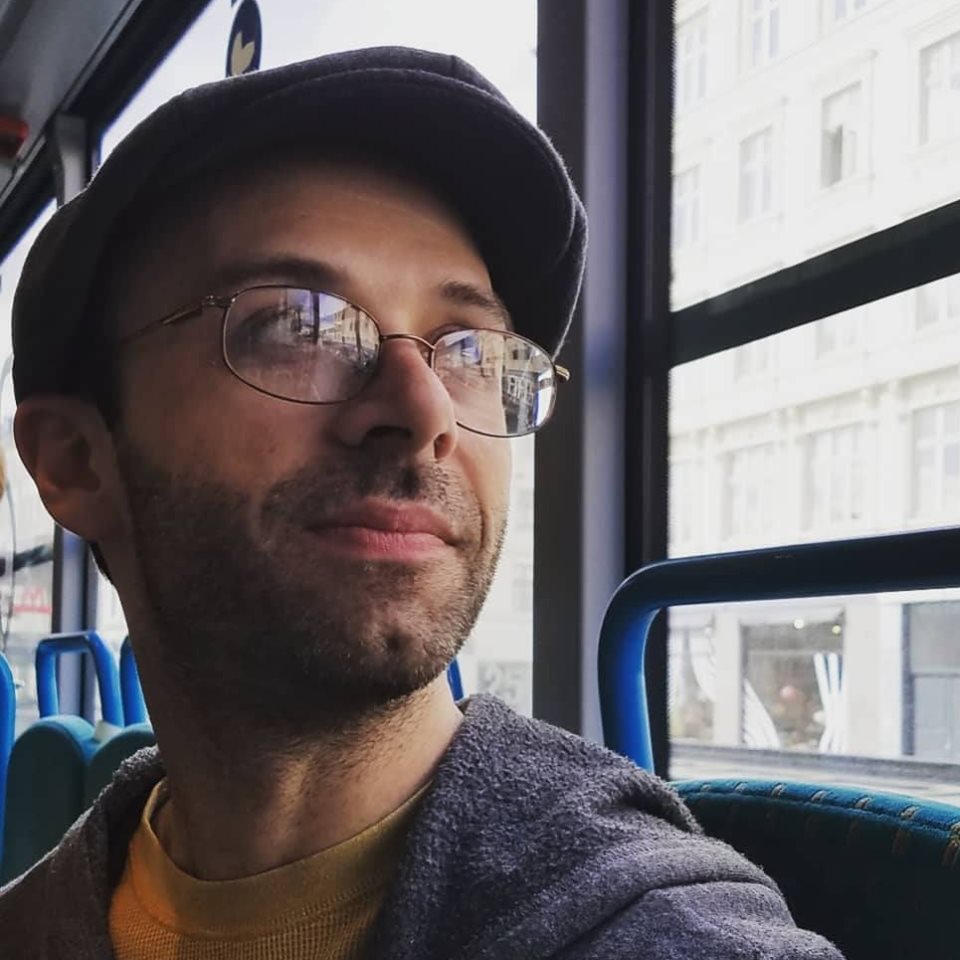 Writing a novel is an enormous undertaking, not unlike building a house. If you're going to do the work, it's good to have a plan. But what makes an effective outline? What elements of plot, character, conflict, and logic should you consider before you write the first page? How can outlines go wrong? What if you're more pantser than plotter to begin with? This talk explores the benefits and pitfalls a writer should consider in utilizing an outline as the blueprint for a well-constructed novel.
Developmental editor Harrison Demchick came up in the world of small press publishing, working along the way on more than eighty published novels and memoirs. He’s also the author of 2012 literary horror novel The Listeners and short stories including “Tailgating” (Tales to Terrify, 2020) and “The Yesterday House” (Aurealis, 2020), and his first film Ape Canyon was released in April 2021. Harrison is accepting new clients in fiction and memoir at the Writer’s Ally (https://thewritersally.com/).
Blog your way to a successful non-fiction book — Jaclyn Paul
 Blogging provides an excellent platform to hone your voice and find an audience for your non-fiction writing. It also helps you build the relationships and credibility required to publish a successful book down the road. This workshop will teach writers how to blog professionally, ethically, and with authority — and how to transfer that experience into the book you’ve always wanted to write.
Jaclyn Paul is a fiction writer and blogger based in Baltimore, Maryland. Since 2014, she has published information, advice, and essays for adults with Adult Attention Deficit Hyperactivity Disorder (ADHD) at the popular blog The ADHD Homestead. Jaclyn is also author of the bestselling book Order from Chaos: The Everyday Grind of Staying Organized with Adult ADHD. Find her online at www.jaclynpaul.com and www.adhdhomestead.net.
Writing for Children’s Educational Publishers: A Hidden Market — John Micklos Jr.
 Educational markets represent an often-overlooked opportunity for children’s writers. These companies publish thousands of books each year (often in series), and it’s often far easier to break in here than with trade publishers. This workshop will discuss the plusses and minuses of writing for the educational market, along with tips for approaching these publishers. The market is most robust for nonfiction writers, but some opportunities exist for fiction/picture book authors as well.
John Micklos Jr. has written more than 50 children’s books, including dozens of nonfiction books for educational markets, focusing on history and social studies topics. His trade market picture books include One Leaf, Two Leaves, Count with Me! (Nancy Paulsen Books/Penguin, 2017) and Raindrops to Rainbow (Penguin Workshop, 2021). John has spoken at national conferences and often does presentations and writing workshops for schools. He lives in Newark, Delaware.
Sunday Workshops
Writing Effective Scenes and Summaries — Pat Valdata
 The scene is the basic building block of any piece of prose writing, but good writing doesn’t simply string one scene after another. Sometimes, a writer needs to summarize the action instead of presenting it. This workshop will cover the elements that make scenes and summaries effective in advancing the plot of a novel.
Pat Valdata's new novel Eve’s Daughters (Moonshine Cove 202, won first prize in fiction from the Delaware Press Association. Her other novels are Crosswind and The Other Sister, which won a gold medal from the Árpád Academy. Her poetry book about women aviation pioneers, Where No Man Can Touch, won the 2016 Donald Justice Poetry Prize. Pat has an MFA in fiction writing from Goddard College and retired in 2020 from teaching creative writing and English for UMGC.
Picture Book Partnership - Working with an Illustrator — Rebecca Evans
 Picture books are a partnership. In this workshop, you will learn about the unique aspects of an illustrators’ job in picture book creation, how the partnership works and how to "leave room for the art" in your writing.
Rebecca Evans is an award-winning author/illustrator with a BA in illustration. She worked as a designer for nine years. Since returning to publishing, she has authored and/or illustrated more than 22 books. She speaks at schools, mentored with EB Lewis, is a CBA graduate and is Co-RA for her regional SCBWI. Rebecca is represented by Essie White at Storm Literary. www.rebeccaevans.net
In-Depth Worldbuilding: Creating Memorable Settings — Edward Swing
 I'm writing a great epic of speculative fiction. How do I make my world stand out? Is it interesting and distinctive, or just another generic setting? If I include magic or advanced technology in my setting, how might it affect the world? How do I portray a realistic government and culture? In this workshop, we'll discuss the answers to these questions. Learn the essential elements of worldbuilding and craft your next rich setting!
Edward Swing is a retired software developer, avid gamer, and otaku. He has been a member of the Society for Creative Anachronism, learned taekwondo, traveled both within the United States and internationally, and studied diverse topics including astronomy, mythology, and mathematics. He lives with his wife, three children, and several pampered cats.
Bronco Poetics: How to ride line breaks deeper into the creative process — Bhodi (Michael) Tims
 Have you ever wanted your poems to push you outside of your comfort zone to become something different – different from your past work, different rhythms and voice that you didn’t know you had inside? This workshop will focus on strategies using line breaks to push you into the deeper rhythmic structures of your poem-in-progress, creating space for different voices to emerge.
Bhodi Tims received his BA in English/Writing from George Mason University studying poetry with Peter Klappert, and a PhD from the University of Maryland studying the chemical ecologically of medicinal plants. He has worked in the herbal supplement and cannabis industry, as an academic researcher/mentor and R&D lead. Currently he is Director for the Herbal Product Design and Cannabis Science programs at Maryland University of Integrative Health.
Marketing Palooza: Getting Your Book Out There! — Tracee Lydia Garner
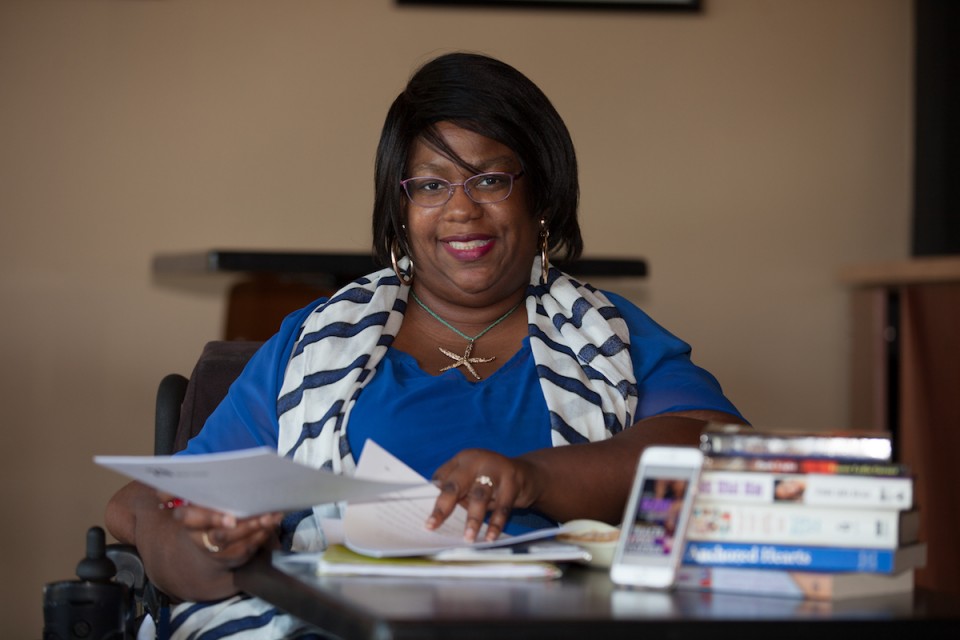 Marketing is an impossible feat, at least that is what it seems. There is too much to do, and it can seem like it's not working. Authors will learn what to do from blogs, virtual tours, promotion and even ads and keyword categories to get their book sales moving.
Tracee Garner is a best-selling author of 14 titles. A dynamic speaker and humorous presenter with 20 years of experience writing fiction/nonfiction. She is the current president of the Washington Romance Writers - DC Chapter, and has taught writing courses for 14+ years.
Legal Issues for Authors — Jacqui Lipton
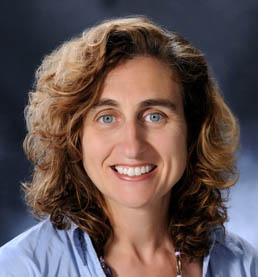 Can I quote song lyrics in my novel? Am I allowed to write about real people? How do I prevent someone from stealing my idea or my story? What is fair use and how does it apply to my work? Do I have to register my manuscript at the Copyright Office to be protected? This workshop provides an introduction for both self-publishing and traditionally published creators to basic legal issues they may confront when writing and marketing their work.
Jacqui Lipton, M.F.A., Ph.D. is a literary agent, attorney and law professor who specializes in the business side of the publishing industry and represents clients from picture book through adult with a particular love for genre fiction (romance, mystery, some sci-fi, some historical) and nonfiction. She is the founding agent at Raven Quill Literary Agency and also writes her own nonfiction.
Character Magic — Eman Quotah
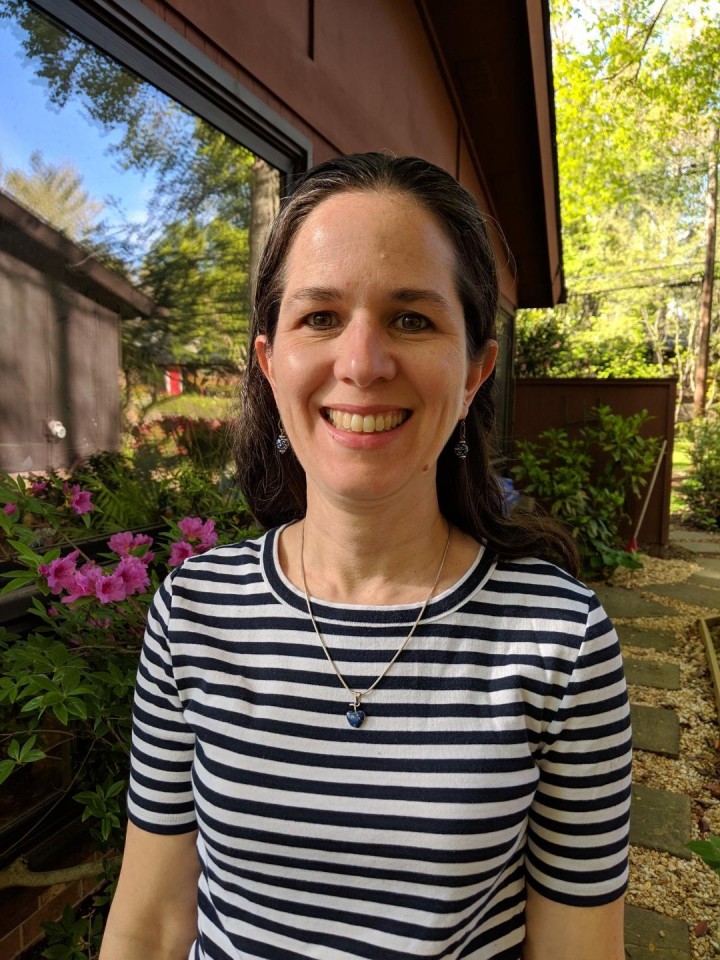 When a character lives on the page, it feels like magic. In fact, conjuring up fictional (or nonfictional) people who feel true to life isn’t witchcraft — it’s writerly craft. Bring a character you’ve been working on to this session, and learn 10 characterization techniques that will cast a spell on readers.
Eman Quotah’s debut novel, Bride of the Sea, was called a book to watch out for in 2021 by Goodreads, Newsweek, PopSugar, Bustle, The Everygirl, and Alma. Her short fiction has appeared in Witness, Gargoyle, Necessary Fiction, Jellyfish Review, and other publications.
be a social media SUPERSTAR: Using social media to propel your writing and grow your audience — Amy Mascott
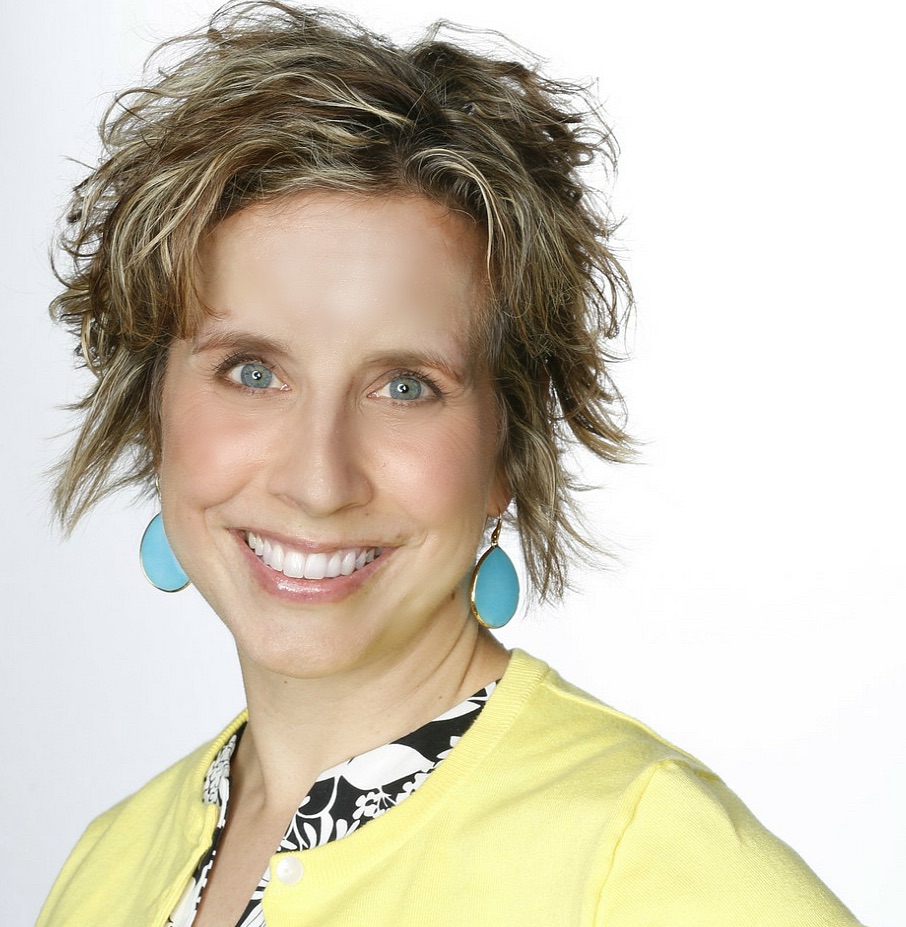 In 2008, Amy Mascott created teachmama.com, where she helps families make connections and build bridges between home and school. Amy has harnessed the power of social media platforms like Twitter, Facebook, Pinterest, Instagram, and YouTube to build her network from the ground up, now reaching over 5 million users each month. Learn how you, too, can use social media to propel your writing, find your tribe, and grow your own audience with a few simple tips and tricks.
A Reading Specialist, writer, and consultant, Amy Mascott is a former high school English teacher who has been in the social media space since 2008 when she, on a whim, created the blog, teachmama.com. That little blog has grown considerably in the last 13 years and has afforded Amy more cool opportunities than she ever could have imagined. Married to an elementary school principal, Amy resides in the DC Metro with her three crazy-cool kids, a dog, and way too many books.
How Am I Not Myself?: The Dispossessed Narrator in Creative Nonfiction — Jonathan Freeman-Coppadge
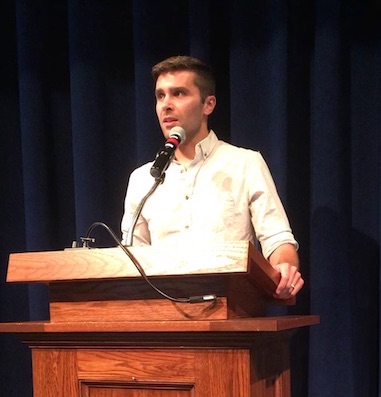 While fiction writers enjoy a plethora of narrative modes, writers of creative nonfiction sometimes feel trapped by the conventions of the genre. Is it possible “hide” the author of an essay while still delivering that personal connection readers expect? In this session, we will examine works of nonfiction from authors Eula Biss, Louise DeSalvo & Mike Scalise, asking how their unconventional narrative methods enable and enhance the stories they want to tell.
Jonathan Freeman-Coppadge is a writer, teacher, and editor at Oyster River Pages. His work appears or is forthcoming in What We Didn’t Expect, Italian Americana, Embark Literary Journal, and Hippocampus Magazine. He is represented by Chris Kepner. You can find him on Twitter @jdcoppadge.
Creating Conflict and Suspense in Fiction — Austin S. Camacho
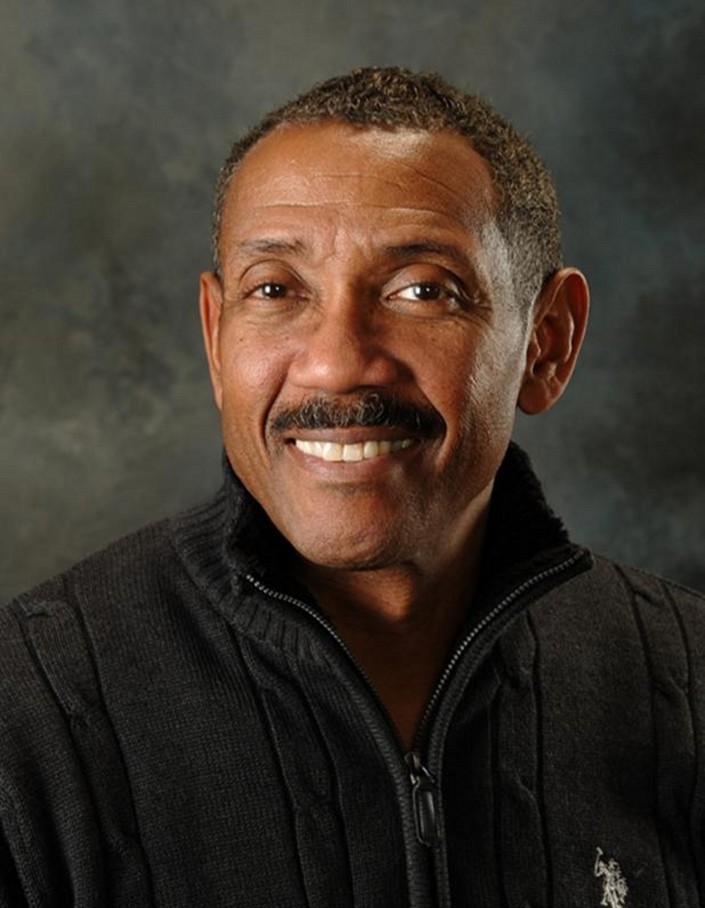 Conflict and suspense – two elements we have to lean on to create good fiction. Without conflict, there is no story. Conflict is what drives your story forward. And without suspense, readers have no reason to get to the end of your story. Suspense is what draws your readers through the story to a satisfying conclusion. In this class I will show you how to use several kinds of conflict in your stories, and how to use suspense to keep your reader involved all the way to the last page.
Austin S. Camacho is the author of seven novels about Washington DC-based private eye Hannibal Jones, five in the Stark and O’Brien international adventure-thriller series, and the detective novel, Beyond Blue. His short stories have been featured in several anthologies. He is featured in the Edgar nominated African American Mystery Writers: A Historical and Thematic Study by Frankie Y. Bailey.
Publishing your first book on Amazon KDP — Barry Fulton
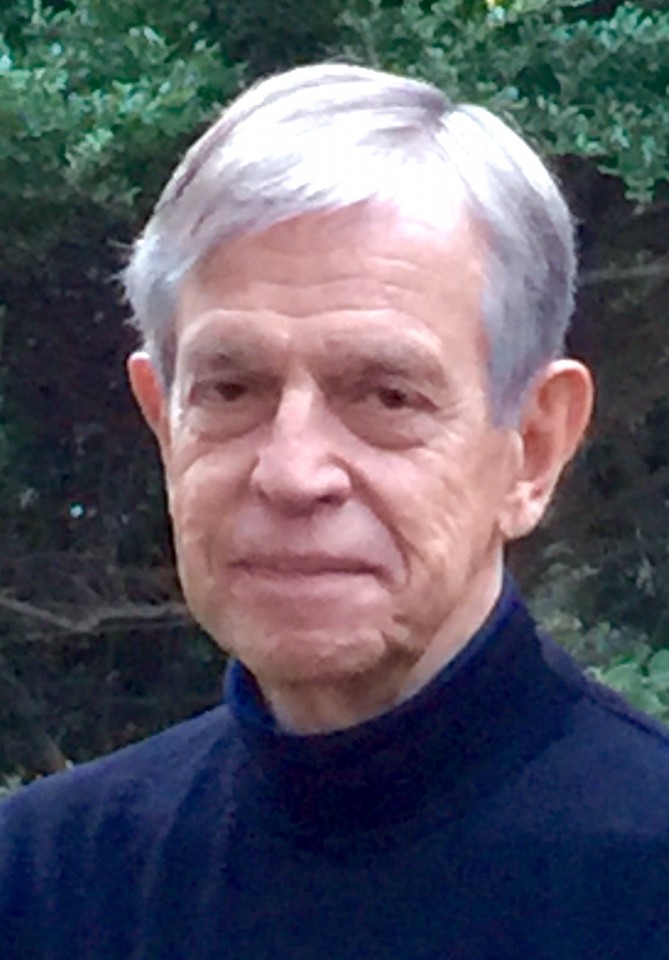 For indie authors who have not self-published before. A step-by-step guide to create a Kindle or paperback edition of your manuscript with Amazon's Kindle Direct Publishing (KDP).
Barry Fulton writes the Thomas Sebastian Scott Espionage/Mystery series: The Irish Imbroglio, Behind the Seventh Veil, The Lady is Bugged, and Flame: Hackers, Artists, Lovers, and Spies. He is a member of the Washington Institute of Foreign Affairs, Public Diplomacy Council, DACOR, and Sisters in Crime. A retired diplomat, Air Force officer, and university professor, he has been posted to NATO, Italy, Japan, Pakistan, and Turkey. Check his website at www.fultonpub.com.
Studying Television for Fiction Techniques — Jen Pendragon
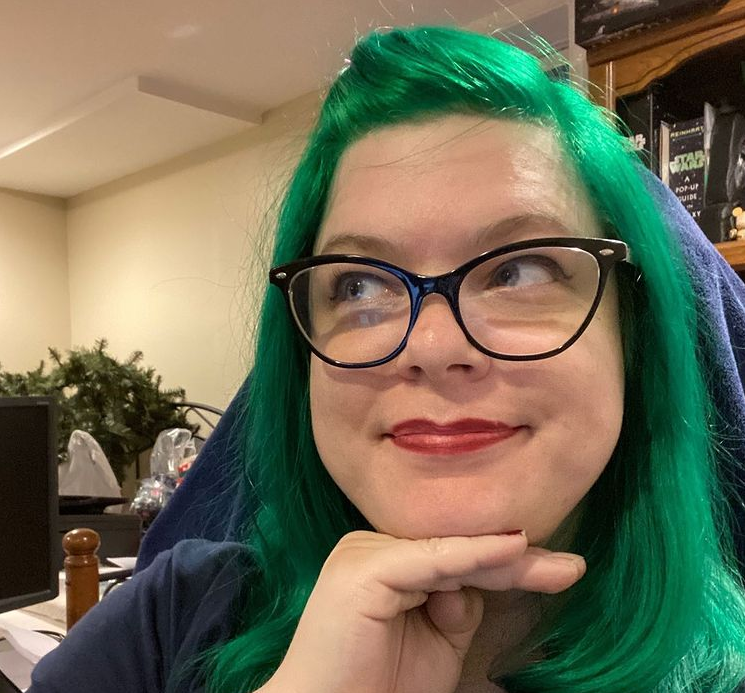 Binge watching television as writing research? It’s easier than you think. Writer Jen Pendragon shows how she dissects the pilot episode of long-running programs such as Cheers, The Office, Fresh Prince of Bel Air, How I Met Your Mother, and Northern Exposure to show how writers convey character without infodump exposition. Learn to make your own spreadsheet or journal spread to easily collect this info, and develop dynamic characters with compelling backstories.
Jen Pendragon is a freelance writer with twin toddlers. She’s been watching “too much tv” since 1988. Jen has covered entertainment news for online outlets including Kotaku, Graphic Policy, and Monkeys Fighting Robots. She now focuses on fiction as a member of Paperbacks and Co, London Writers Salon, and the Maryland Writers Association. You can find more from Jen at her YouTube channel or Patreon. Her complete online profile list is at campsite.bio/jenisaur.
JUST ADDED: HANDS-ON Session
CREATE YOUR SOCIAL MEDIA PLATFORM with Megan ellis
 The workshop will be offered four times—twice Saturday (morning and afternoon) and twice Sunday (morning and afternoon).
Workshop leader Megan Ellis says:
If you're like me you’ve been to many workshops telling you the benefit of having a writer platform and a social media presence. But how do you begin? How does it all work?
In these two hour-long hands-on workshops, I will personally walk you through how to get your social media presence started and how to build your platform. We will begin by demonstrating how to use social media platforms, mostly focusing on Instagram. I will help you download the necessary apps on your computer and mobile devices. Then using props I supply, I will help you create content for your social media platform. Please bring your electronic devices, phone, laptop, etc., your book(s) for photographing, and pen and paper. This class will also offer handouts to help you plan out your photos and prompts to keep your social media presence growing, long after you’ve left the classroom.
Cost is $20. Class size is limited. Click here to sign up.
Click here to download a printable conference schedule.